
佩小姐的奇幻城堡
Takaichi reportedly mulls skipping visit to notorious Yasukuni Shrine on anniversary of WWII surrender; experts see political maneuvering, not historical remorse_我的网站

一 |
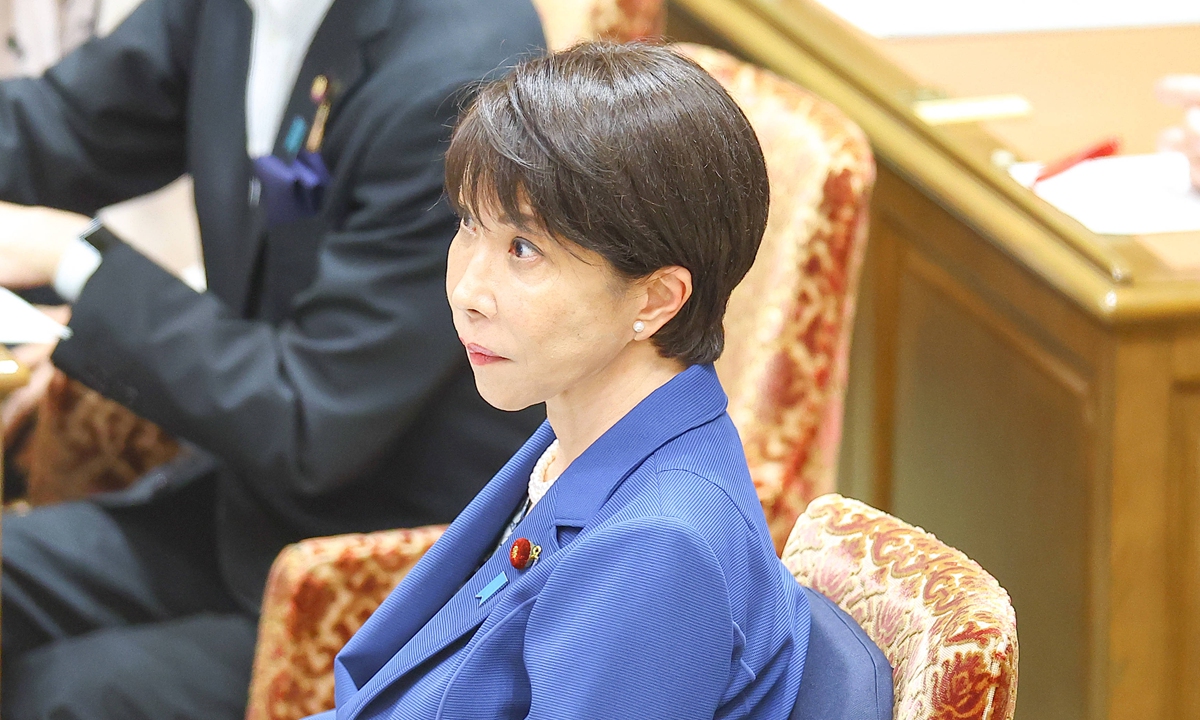
Due to concerns about fueling tension with China and South Korea, Japanese Prime Minister Sanae Takaichi is considering refraining from visiting the notorious Yasukuni Shrine, a symbol of Japanese militarism and wartime aggression, to mark the anniversary of Japan's unconditional surrender in World War II (WWII) on Saturday, Japanese media outlet Kyodo quoted sources familiar with the matter as saying on Wednesday.
Chinese experts said even if Takaichi forgoes a visit to the notorious shrine, the potential decision is merely driven by political calculations and diplomatic maneuvering, and could not be interpreted as a shift in her right-wing stance or as a sign of remorse over Japan's wartime aggression.
Such a visit to the shrine by Takaichi, a conservative known for her hawkish foreign policies, would certainly fuel tensions with China and create a rift in relations with South Korea, two countries that suffered under Japan's wartime military atrocities, Kyodo News reported.
Takaichi regularly visited the shrine before, even while serving as a Cabinet minister. But she has not visited the shrine since becoming leader of the ruling Liberal Democratic Party and prime minister in October, according to Kyodo news.
Chief Cabinet Secretary Minoru Kihara said at a press conference on August 7, when asked about a possible visit by Takaichi to the shrine around the anniversary, that "it is a matter for the prime minister to decide appropriately on her own," according to Japan's Jiji Press.
A source close to Takaichi told the Jiji that, "I don't think the prime minister will visit Yasukuni Shrine. It would complicate relations with South Korea."
Japan's Asahi TV reported that Takaichi may forgo the visit because she believes it is necessary to avoid triggering diplomatic tensions with South Korea, as well as with China.
A visit to the notorious shrine by a sitting Japanese prime minister would be a serious political incident, as it would reflect the leader's attitude toward Japan's wartime aggression and broader historical issues. Even if Takaichi chooses not to visit the shrine, it would not signal a retreat from her right-wing stance or a change in her views of Japan's wartime aggression against other countries, Lü Chao, an expert on Korean Peninsula issues at the Liaoning Academy of Social Sciences, told the Global Times. Rather, he said, the decision would largely reflect political calculations and diplomatic maneuvering.
Lü added that Takaichi could still make other symbolic gestures on the anniversary to cater to Japan's right-wing forces, whose support helped propel her to power. Such a move, he said, would underscore that her views of Japan's wartime history remain unchanged and serve as a reminder to neighboring Asian countries to remain vigilant about Japan's political direction.
Reporting on Takaichi's possible decision to forgo a visit to the shrine, South Korean newspaper Chosun Ilbo said on Wednesday that Takaichi had regularly visited the Yasukuni Shrine. "In the Liberal Democratic Party leadership election held in October last year, Takaichi also said that if appointed prime minister, she would visit the Yasukuni Shrine, noting that such visits should not become a diplomatic issue." However, since then, Takaichi has not visited in person and has only dedicated offerings in a private capacity, per the report.
In April, after Takaichi sent a ritual offering to the notorious Yasukuni Shrine, Chinese foreign ministry spokesperson Guo Jiakun said that China firmly opposes and strongly condemns Japan's latest negative moves related to Yasukuni Shrine and has lodged strong representations and protests with the Japanese side.
The Yasukuni Shrine is a spiritual tool and symbol of Japanese militarists responsible for the war of aggression. It is in fact a shrine for war criminals, noted Guo.
No sitting prime minister has gone to Yasukuni since Japan's late leader Shinzo Abe did so in 2013, drawing strong criticism from neighboring Asian countries.
Beyond Takaichi herself, some Japanese politicians and lawmakers have kept visiting the Yasukuni Shrine, triggering fierce pushback from peace advocates in Japan and the international community, Liu Jiangyong, a professor at the Institute of International Studies of Tsinghua University, told the Global Times, noting that such visits not only reflect the long-standing right-wing stance of Takaichi and other conservative politicians on historical issues, but also lay bare Japan's enduring militarist remnants.
Also in April, members of the conservative solidarity association, a group of conservatives in Japan's Liberal Democratic Party, and 166 Sanseito lawmakers from the Diet and local assemblies visited the Yasukuni war shrine.
In response, Lin Jian, Chinese foreign ministry spokesperson said that China strongly deplores and condemns such acts.
"By visiting the Yasukuni war shrine that honors Japanese Class-A war criminals year after year, these Japanese politicians seek to reverse the just verdict on Japanese aggression, and hereby whitewash Japan's war crimes and revive militarism. The Chinese people and people elsewhere who suffered under Japanese aggression will never accept that, neither will anyone in the world who stand for peace. As Japanese neo-militarism keeps gaining strength, the international community must stay on high alert and stand ready to stamp it out before it could wreak havoc in the region," said Lin.
。

二 | 如果投降能换40万人活命,你会怎么选?1940年丘吉尔给出了回答 四十万人被赶到了海边。 身后是英吉利海峡,前面是一路追过来的德国装甲部队。英国陆军最能打的一批人基本都陷在法国北部,能带回家的重装备已经顾不上了,现在先考虑的是人还能回来多少。 偏偏就在这个时候,英国政府里面有人提出了一条听起来并不荒唐的路:既然法国眼看撑不住了,意大利又还没有正式参战,能不能请墨索里尼从中搭个桥,先问问希特勒愿意开什么条件? 提出这个主张的人不是无名小卒,而是英国外交大臣哈利法克斯。 丘吉尔刚当上首相十几天。 如果他点头,英国未必马上投降,却很可能就此坐上谈判桌;如果他不点头,敦刻尔克那几十万官兵能不能撤回来,当时没人敢保证。 后来的人知道英国赢了,所以很容易说一句:当然要打。 可站在1940年5月底,答案真没那么好选。 今天看二战地图,1940年春天的西欧像被人一把推倒了。 5月10日,德军进攻荷兰、比利时、卢森堡和法国,同一天丘吉尔接替张伯伦出任英国首相。没过多久,德军从阿登山区冲出来,英法原先依赖的防线被从侧后方切开。德军装甲部队一路抵达英吉利海峡,几十万盟军被挤进法国北部一个越来越小的区域。 最后能跑的地方,只剩敦刻尔克。 当时聚集在这一带的盟军接近40万人。英国最初制定撤退计划时,甚至没有幻想全部带回来,能够撤出几万人,已经算给英国陆军留下一点骨血。最终从5月26日至6月4日撤回英国的英法等国官兵超过33.8万人。 可是5月底内阁争论最厉害的时候,这个奇迹还没有发生。 桌上的坏消息一个接一个。比利时已经准备退出战争,法国的局面越来越差,美国尚未参战,苏联与德国之间还有互不侵犯条约,墨索里尼则站在场外等着挑一个最有利的时机下场。 英国人当然知道自己隔着一道英吉利海峡,可海峡挡得住陆军,不等于挡得住飞机和潜艇。 哈利法克斯因此主张试试外交渠道。

三 | 他考虑的是借意大利斡旋,看看德国究竟会提出什么条件。

四 | 如果英国的独立和基本利益可以保住,为什么连条件都不能听? 站在普通人的位置,这个问题一点不丢人。 几十万年轻人堵在海滩上,法国可能退出战争,本土下一步就可能挨炸。

五 | 能花一点外交代价把战争停下来,很多人都会心动。 丘吉尔真正和哈利法克斯争的,也正是这里。 所谓“投降”,当时还没有发展到希特勒拿着一份现成条约,让英国在签字和40万人死亡之间二选一。 内阁争的是另一件更加现实的事:要不要在英国最虚弱的时候主动去摸德国的和谈条件。 这两者差别很大。 丘吉尔对谈判最警惕的一点,是谈判桌上的筹码。 英国远征军被困,法国濒临崩溃,德国刚刚横扫西欧。此时希特勒有什么理由给英国开一个特别宽松的条件? 一旦英国主动表现出急于退出战争,德国要求限制英国军备、控制重要基地甚至削弱皇家海军,都不是没有可能。英国或许能够暂时躲过一场本土战争,却可能把下一次反抗德国的能力一起交出去。 丘吉尔后来把这种担忧说得很重:继续打下去的国家,将来还有重新站起来的机会;轻易屈服,结局可能完全不同。新华网关于不列颠空战的战史文章也提到,英国战时内阁当时围绕德国方面的“和平”建议连续讨论,英国国内确实存在强烈的反战求和情绪。 丘吉尔并不是算不出来敦刻尔克可能死人。 他算的是另一笔账。 今天停战,几十万士兵也许能暂时避免成为战俘或者死在法国;可英国一旦丢掉独立作战能力,几年以后还有没有第二次选择的机会? 这才是他最不愿赌的东西。

六 | 有意思的是,丘吉尔同时也没有把敦刻尔克的人扔掉。 拒绝向希特勒低头和拼命把军队撤回来,是同时进行的。 英国海军启动“发电机行动”,军舰、运输船、渔船、游艇乃至大量民用小船开始横渡海峡接人。最初英国方面只敢指望撤回数万人,最后超过33万官兵回到英国。丘吉尔随后还专门提醒国内,撤退本身并不是胜利,战争也不可能靠撤退打赢。 这个细节很重要。 他没有选“40万人去死”。 他选的是:人尽量救,仗继续打。 33万多人回到英国时,大量火炮、车辆和重装备都丢在了欧洲大陆。许多士兵踏上英国土地以后,自己都觉得这是一场狼狈逃跑。 从纯军事结果看,敦刻尔克当然是一场败退。

七 | 可这批人回来以后,英国至少还有一支能够重新整编的陆军。

八 | 更关键的东西也还没有丢。 皇家海军仍然是一支强大力量,英国皇家空军还没有被摧毁,德国要跨越海峡登陆英国,靠坦克在法国跑得快解决不了问题。希特勒必须先争夺制空权,否则运输船队到了海峡,很可能先让英国海空力量打掉。 因此1940年夏天的英国,确实很危险,却远没有危险到只能签投降书。 敦刻尔克结束以后,丘吉尔判断德国下一步会对英国本土下手,英国随后把越来越多资源投入防空和反击准备。不列颠空战真正打起来后,皇家空军没有像德国希望的那样迅速垮掉。

九 | 英国保住了继续作战的基础,德国原本准备的登陆英国计划最终也没能实施。 这时候再看5月底那场争论,丘吉尔当初的算盘就清楚了。

十 | 德国最强的时候,你跑去问德国:“怎样才能放过我?” 得到的条件,大概率不会便宜。 英国只要再撑几个月,让德国证明自己无法轻易跨过英吉利海峡,双方手里的筹码就会变化。 丘吉尔选择的其实是拖。 把英国最虚弱的这几个月硬熬过去。 代价当然很大。英国城市后来遭到轰炸,大量军民伤亡,战争又持续了整整五年。

十一 | 谁如果在1940年就保证英国一定能撑到最后,那是在拿结果倒推过程。 丘吉尔自己当时同样不知道美国什么时候正式参战,不知道希特勒后来会进攻苏联,更不知道1945年柏林会插上苏军的红旗。 他只是认定一件事:现在去谈,英国手里的牌太烂。

十二 | 这才是这个故事最有意思的地方。 我们习惯把选择想成两格。 一格写着“战争”,里面是死亡。 一格写着“和平”,里面是活命。 真实历史很少这么体贴。 1940年的英国如果选择谈判,敦刻尔克的军人是不是就肯定能够全部安全回家?德国究竟会开出怎样的条件?英国海军、海外基地、军备和外交自主权需要交出去多少?希特勒又会不会长期遵守协议? 这些问题当时都没有现成答案。 法国很快给出了另一种参照。 1940年6月,法国战败并签署停战协定。 德国控制法国北部和西部大片地区,法国政府退到维希。这个结果显然不是简单的“停止打仗以后大家照常生活”。 丘吉尔怕的就是英国走上类似的路。

十三 | 英国还有海峡,还有皇家海军,还有空军,还有庞大的海外资源。手里的东西明明没有全部输光,却因为欧洲大陆的一次惨败自己先把牌桌掀了,在他看来才是最亏的一笔买卖。 所以那场著名的决定,真正值得记住的地方并非“一个强硬领袖宁愿40万人死也不投降”。 这样讲反而把事情讲浅了。 丘吉尔没有拿40万人的命去换自己的强硬名声。他一边拒绝在德国最占优势的时候主动求和,一边发动当时英国能够发动的一切船只,把能抢回来的人拼命往家里抢。

十四 | 最后抢回来了33万多人。 这些人后来成了英国继续战争的重要家底。 6月4日,敦刻尔克撤退基本结束。丘吉尔站到英国下议院,讲出了那段后来无数次被引用的话:英国会在海滩、登陆场、田野和街道继续战斗。 放到今天听,很容易觉得这是胜利者写好的台词。 放回那个星期,它其实带着很大的赌性。

十五 | 法国马上就要倒下,德国军队正站在英吉利海峡另一边,英国刚刚把几十万败兵从欧洲大陆捞回来。 丘吉尔不知道结局。 他只是觉得,与其把国家的命运交给希特勒开条件,不如把手里剩下的牌继续打完。 五年以后,人们知道了他的选择带来了什么。 可如果把时间重新拨回1940年5月,敦刻尔克海滩上还有近40万人等船,德国坦克正在逼近,而你坐在那间内阁会议室里—— 这支笔交到你手上,你真的会毫不犹豫吗?返回,查看更多。
Current article:http://w2f3u.tichannangenzhuchuapin.cfd/list_0km6ce/ka9.html
Published on:12:20:31
 雅创电子:拟对旗下自研IC业务及品牌进行全面整合
 东杰智能:拟出售部分工业用地土地使用权等资产
 智能载体如何拥有理解物理世界的能力?智能物联龙头直面AI落地关键问题
 为讨好省委书记夫人,他安排妻子休假全程陪同
 进驻 YouTube Premium 前夕,Peacock 迎来四年内第四次涨价
 又是下雨天!气象部门已发布多个预警
- ·SK海力士淘宝旗舰店下架所有产品 宣告9月上旬终止经营:用户担心质保
- ·开帆船横跨大西洋这件事,我们终究是做到了
- ·Exclusive: Priyanka Chopra Jonas on Her Career As an Actor and Producer
- ·印度与中俄伊合作,美担心的事情发生
- ·毛利党发起全国示威,抗议政府的变革,明天一早奥克兰三条高速或受阻
- ·建昌多部门联合开展禁烧督导行动
- ·来武林广场,听歌、看球赛、逛市集……打开“任意门” 尽享烟火气
- ·高品质生活|蔚蓝有约,致敬城市守护者 成都极地海洋公园举办开园16周年公益活动
- ·再见!微软视窗7的十年霸权
- ·三类城市作业车辆同步迭代 新能源渣土车保有量占全省六成多 杭州已构建渣土、环卫、清运完整低碳体系
- ·新加坡花园城市称呼的由来?【新加坡百问百答3】
- ·微视频|不用再跑北京买买买!方便石家庄及周边城市顾客,线下购物的快乐线上无法比拟
- ·杭州地铁9号线二期站名正式公布,7大站点抢先看!
- ·赖清德万万没想到,首批2架F-16V还没落地,特朗普已经埋下大雷?,兵器观世界,原创 赖清德万万没想到,首批2架F-16V还没落地,特朗普已经埋下大雷?
- ·湖南推进工业产品质量追溯 累计制发“数字身份码”2.49亿张,湖南推进工业产品质量追溯 累计制发“数字身份码”2.49亿张
- ·日本最高龄男性去世:终年112岁 长寿秘诀是"顺其自然"
- ·《红色沙漠:增强版》官宣!新增故事线 本体免费升级
- ·5 killed in North Carolina shooting
- ·孙俪突然发文,邓超回应!
- ·ब्लड शुगर लेवल कंट्रोल करने के लिए जरूरी है मैग्नीशियम, इन तरीकों से करें डाइट में शामिल
- ·大谷翔平が突然の行動「待ちきれないんだね」 試合途中に爆走…“退勤”に注目
- ·京东双十一什么时候开始 从10月9日开始持续到11月14日结束 2025京东双十一最强玩法清单
- ·Ukrainian lawmaker upbeat after Musk cuts Starlink funding
- ·上半年我国机械工业经济运行总体平稳
- ·约翰斯·霍普金斯大学:抗寄生虫药物可减缓小鼠身上的胰腺癌发展
- ·爆冷!世界冠军吴宜泽2-6出局,止步中国公开赛16强
- ·第二十三届八大处中国园林茶文化节新闻发布会成功举办
- ·王鑫新产品厕所mt ios版下载链接已关闭
- ·应急局扎实做好汛期物资储备工作
- ·क्या कोयलांचल की धरती अब जानलेवा बन गई है? धमाके के साथ फटी जमीन, समा गई महिला
- ·中科通达:计提及转回信用和资产减值准备共计1568.98万元
- ·बाप हर रात करता था बेटी से दुष्कर्म, कोर्ट ने आठ साल बाद सुनाया फैसला; दोषी पिता की सजा बरकरार