
航海王
Is the rapid growth of China’s emerging industries driven by industrial subsidies?: People’s Daily_我的网站

一 | 这段视频可在YouTube和苹果网站上观看,通过包括Apple Park在内的位于不同地点的iPad团队成员介绍了新的M2 iPad Pro和完全重新设计的第十代iPad的功能。
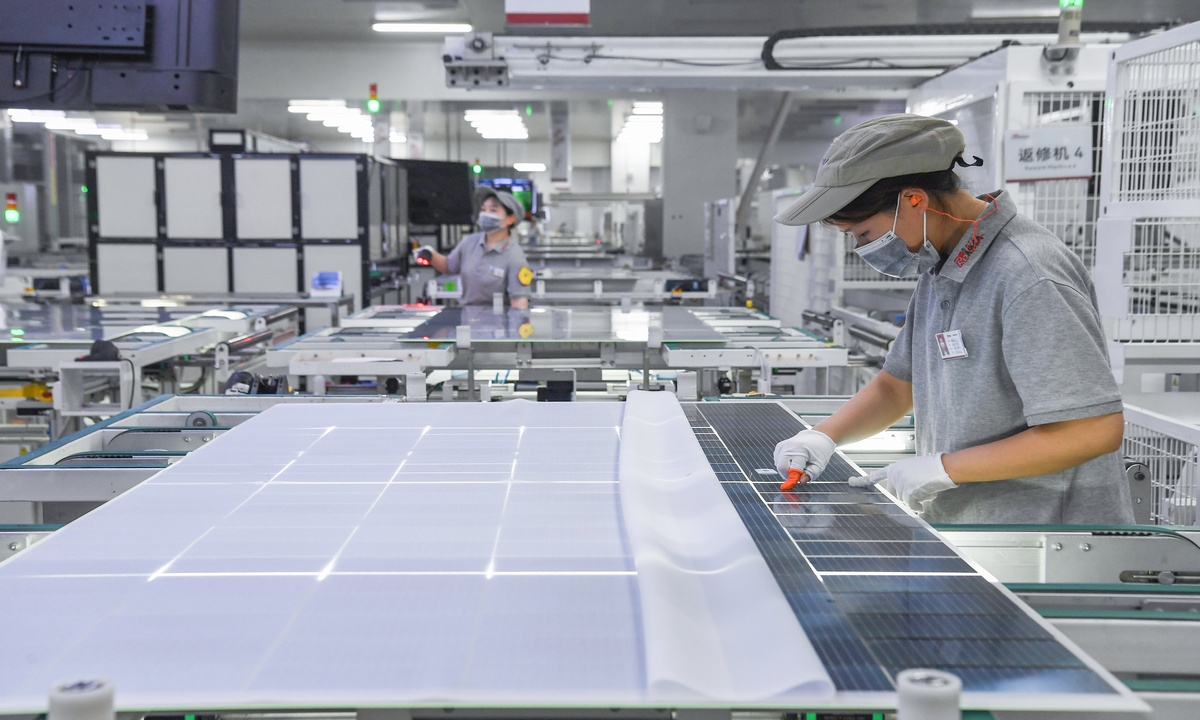
China saw robust exports in electric vehicles (EV), lithium batteries and photovoltaic products, known as the "new three," in the first half of this year. More notably, robotics, artificial intelligence (AI) and innovative drugs, which represent the future direction of industrial development, are also emerging as new calling cards for China's foreign trade.
However, the impressive performance provoked unease among some Western media outlets and politicians. Some have deliberately portrayed China's rapid industrial development and strong competitiveness as a result of government subsidies, pushing the false claim that subsidies have created overcapacity and those low-priced Chinese products are flooding global markets. Such fallacies, which simply equate industrial subsidies with overcapacity, are not only logically flawed but also factually groundless.
In practice, many countries adopt industrial policies tailored to their national conditions and development needs, such as providing research and development (R&D) subsidies for emerging industries and risk related subsidies for agriculture.
Well-designed industrial subsidies can help address market failures, promote technological innovation and environmental protection, reduce poverty and support balanced development, rather than cause so called "overcapacity."
Multiple reports by the United Nations Conference on Trade and Development have noted that the number of industrial policies worldwide has grown rapidly over the past five years, with R&D subsidies, tax incentives and low interest loans for emerging industries becoming common international practices.
Forcibly linking industrial subsidies to "overcapacity" is, in essence, a political manipulation based on double standards. The US, for example, plans to provide $750 billion in various subsidies from 2022 to 2031 under its Inflation Reduction Act. Subsidized EVs are subject to requirements such as production and sales in the US or North America, effectively excluding other WTO members. US industrial subsidies for AI are even greater than those of all other countries combined.
Similarly, according to incomplete statistics, the European Commission is expected to provide more than 1.44 trillion euros ($210 billion) in various subsidies between 2021 and 2030. The EU's Industrial Accelerator Act links local content directly to financial support through "Made in EU" requirements, creating serious investment barriers and institutional discrimination.
Have these massive subsidies been labeled as causing "overcapacity"? The answer is no. While claiming that China's industrial subsidies lead to so-called overcapacity, these countries are themselves providing massive subsidies to their own industries. Such double standards amount to selective accusations targeting China, aimed at politicizing trade and economic issues and weaponizing industrial policy.
At a deeper level, accusations that "China's industrial subsidies cause overcapacity" are merely a pretext, reflecting growing anxiety and fear over the rising competitiveness of Chinese industries.
Looking back at the repeated hype in Western media, the criticism has consistently targeted China's most globally competitive industries, including new-energy vehicles, photovoltaics and power batteries. This exposes the real intention of shifting the blame for their own lagging industrial development onto China while stepping up restrictions against Chinese industries.
China's breakthroughs in these industries have been driven by advances in homegrown technologies, complete industrial and supply chains, and robust market competition, rather than by policy subsidies as some have claimed.
In recent years, China has taken multiple steps to regulate and improve its subsidy policies, from reviewing and correcting inappropriate local subsidies to exploring a unified negative list mechanism for local fiscal subsidies. China applies subsidies equally to all market entities, including foreign invested enterprises, strictly follows WTO rules, and continues to improve the compliance, effectiveness and transparency of its subsidy policies.
Rather than fabricating and hyping baseless claims about subsidies and obsessing over building trade barriers, certain Western media outlets and politicians should focus on addressing their own weaknesses and increasing investment in research and development. They should embrace healthy market competition with an inclusive mindset, promote mutual benefit through greater openness, and win markets and drive progress through genuine innovation.
This was compiled and translated by the Global Times English edition based on an article published in the "Chisu Jinsheng" economic commentary column of the People's Daily on August 10, 2026.
。新的iPad Pro可以被看成是一个小规格的提升,主要区别在于引入了最新M2芯片提高其性能。

二 | 而相比而言第十代iPad更新幅度较大,具有新的外形设计,并让iPad产品线全面走向USB-C接口。
Current article:http://w2f3u.tichannangenzhuchuapin.cfd/list_81oe9xl/2t7.html
Published on:13:55:47
上一篇:Bihar Government: बिहार सरकार इस जिले में करेगी 279.65 एकड़ जमीन का अधिग्रहण, 66.91 करोड़ रुपये मंजूर 下一篇:F1众车手谈周冠宇撞车事故
我的网站相关阅读
- 以日本现在的实力,真能打赢俄罗斯吗?俄结束战斗只需一天,洞察军事,原创 以日本现在的实力,真能打赢俄罗斯吗?俄结束战斗只需一天
- Explyt团队打造的代码智能体评测新标准:光靠“通过/失败”根本不够用
- 企业破产法修订草案将二审 发挥重整制度挽救困境企业功能
- 我用一个僵尸号追了一个月世界杯,跑通了一套内容系统
- 上半年73人车祸亡 45死者涉摩托车
- 泸州老窖:上半年净利润43.39亿元,同比下降43.37%
- 苹果正式发布全新一代 Mac mini,提供M6和M5 Pro两版,起售价分别为6999元和12999元
- 特斯拉回应近300万辆召回:无需全部进店,贴纸3年内随时可领
- 世界杯冠军刚出炉,我让商汤 U1 Pro 做了一份全景赛况图
我的网站最新文章
- 西湖区开展集体用餐 配送单位专项检查
- 英伟达三周连买三家“卖电的”:芯片不再是瓶颈,黄仁勋开始圈变电站
- 海南海口:调整省内各市县来(返)海口人员查验工作
- 把公交预约机搬进小区 杭州公交这条线路解锁预约新模式
- National Sports Day 2025: आज ही के दिन जन्मा था 'हॉकी का जादूगर', देशभक्ति ऐसी कि ठुकराया हिटलर का ऑफर
- 两部门对福建启动防汛防台风四级应急响应
- 力星股份:2026年半年度净利润约2121万元,同比下降43.52%
- 每天800元雇人“无限续杯”!男子狂薅车企40万羊毛,车企无奈报案;检方定性:诈骗罪
- 神都风物 | 文峰塔:藏在文昌风铃声里的洛阳文脉
- 金价一度破4700美元!贵金属持续走强 融资客抢筹12股过亿
- 哈尔滨官方通报一住宅楼出现整体倾斜:空置状态,决定拆除
- BOSS直聘:2026年第二季度营收23.99亿元,经营利润8.63亿元
- 《阿西,美女室友竟然...?2》主演全新美照
我的网站随机推荐
- 2024东北亚(兴城)国际泳装展 13大专业展区同启 830家展商参展
- 水位仍在上涨 广西宁明县城水文站25日凌晨预计将出现洪峰
- छुट्टी के दिन आई थी JP Power share को लेकर बड़ी खबर, आज बाजार खुलते ही रॉकेट बनें शेयर! लगा अपर शर्किट
- 外媒批赖清德“挟持台湾民主” 国台办回应
- 义顺惊险一幕 男子从组屋高楼摔落
- 女子吐槽市监局上班时间没人后续:市监局称误会消除!县社媒沦陷
- 非遗精英荟暨第五届济南非遗创意设计大赛专家宣讲会首期开讲
- 广东省运会男足决赛引争议 中国足协启动调查程序
- 喜迎二十大
- 阅读量10w+,月入不过百
- 中国气象局升级调整应急响应为重大气象灾害(台风、暴雨、强对流)三级
- 国家邮政局:7月份中国快递发展指数同比提升2.4%
- बाप हर रात करता था बेटी से दुष्कर्म, कोर्ट ने आठ साल बाद सुनाया फैसला; दोषी पिता की सजा बरकरार